

Our planet’s oceans are among the most vital ecosystems, as they are home to a multitude of life forms and help regulate the global climate. But they are increasingly threatened by a modern-day scourge: plastic pollution. Every year, millions of tons of plastic end up in the oceans, causing serious damage to marine ecosystems, wildlife, and even human health. In this article, we will explore effective strategies for reducing plastic pollution and helping to protect the oceans.
Plastic in the oceans: the impact on nature
Plastic pollution is a major problem that threatens the health of the oceans and marine life. Plastic waste is found in all the world’s oceans, from the polar regions to tropical areas. It has a negative impact on marine wildlife, marine ecosystems, and human health.
Marine debris: staggering figures
Marine debris includes waste found in marine ecosystems, whether it was intentionally dumped into the sea or ended up in the ocean via rivers and streams. According to the French Ministry of Ecological Transition and Territorial Cohesion, it is currently estimated that the amount of plastic in the oceans ranges from 75 to 199 million tons. Plastic accounts for 85% of all marine debris.
What are the consequences for the marine environment?
The massive presence of plastic in the oceans has disastrous consequences for marine ecosystems. These impacts extend far beyond the mere visual nuisance caused by floating debris.
A threat to marine wildlife
Marine animals face the risk of ingesting plastic waste every day. Among the species affected by this threat are turtles, seabirds, fish, marine mammals, and many other marine species. Ingesting plastic can cause severe internal damage and disrupt the balance of marine food chains.

Moreover, plastic waste—whether washed up on beaches or suspended in the water—alters marine habitats. Coral reefs, the seafloor, and coastal areas are affected, leading to harmful consequences for biodiversity and ecosystem recovery.
The effects on human health
Chemicals found in plastic, such as phthalates and bisphenols, can enter the marine food chain. In addition to posing a threat to marine animals, this can have repercussions for human health, as we consume seafood contaminated with these harmful substances. But the threat doesn’t stop there, as we are also overexposed to microplastics, which are harmful to our health.
Large-scale ecological disruptions
The ubiquitous presence of plastic packaging in the oceans has broader implications for climate regulation and the functioning of marine ecosystems. Plastic waste disrupts photosynthesis in marine microorganisms, thereby affecting carbon dioxide (CO₂) uptake and the oxygen cycle.

Economic and social costs
Finally, ocean pollution entails considerable costs. Beach cleanup, losses incurred by the fishing industry due to equipment damage, and the economic consequences for coastal tourism are all impacted by this type of pollution. Change is imperative, whether to preserve our environment, protect marine wildlife, safeguard human health, or achieve large-scale cost savings.
How can we combat pollution in the seas and oceans?
Combating plastic packaging pollution in the oceans requires coordinated action and responsible consumer choices. There is still time to make a difference and reduce the tons of plastic in our environment, thereby helping to protect the oceans.
Participate in beach and ocean cleanups
Getting involved in beach and ocean cleanup efforts is a concrete way to help combat plastic pollution in these environments. Cleaning up the oceans has several benefits. In particular, it helps reduce the amount of plastic waste in the oceans, protects marine wildlife from plastic waste, and contributes to the preservation of marine ecosystems. However, this is a short-term solution for reducing plastic pollution. In the long term, it is important to reduce the production of single-use plastics at the source and improve waste management.

Did you know? If you’d like to help fight plastic pollution, you can join initiatives like The SeaCleaners and Wings of the Ocean, which organize cleanups, or support the educational and awareness-raising efforts carried out by No Plastic In My Sea.
Promoting sustainable consumption alternatives
To combat plastic pollution in the oceans—not just in our country, but globally—the best approach is to change our consumption habits by choosing sustainable alternatives to plastic. Here are a few ideas to help you change your habits:
- Choose biodegradable and compostable products whenever possible.
- Shop at bulk stores, for example, to make a significant contribution to reducing your environmental impact. These small, everyday actions—though very simple—will help you significantly reduce plastic pollution in the oceans.
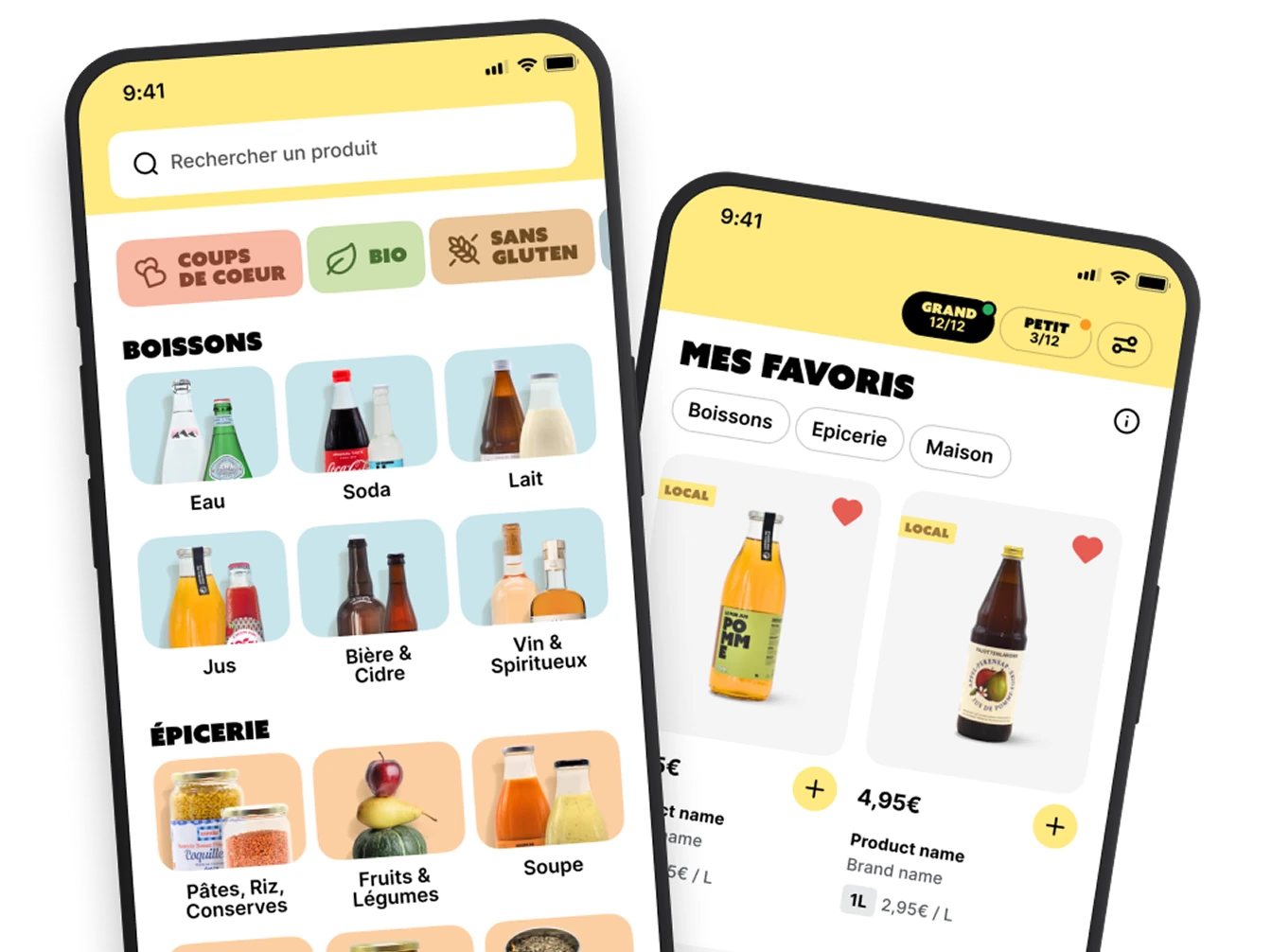
- Choose returnable glass bottles and containers over plastic ones, particularly through our La Furgo service. Glass containers are reusable, which reduces the demand for single-use plastic.
Additionally, it’s important to actively support companies that adopt eco-friendly practices to reduce their plastic footprint. Look for brands and companies committed to reducing their environmental impact, whether through sustainable packaging, recycling programs, or initiatives aimed at reducing the use of plastic in their production. Your support for these companies helps encourage positive change in the consumer sector.
Improving waste management
It is still difficult to completely eliminate plastic from our consumption patterns. However, improving plastic waste management is an essential step toward reducing plastic pollution in the oceans. It is important to collect and recycle plastic waste efficiently in order to minimize its volume and its impact on the environment. Here are some steps that can be taken to improve the collection and recycling of plastic waste :
- Raise public awareness: it is important to educate the public about the importance of recycling plastic waste.
- Make recycling easier: is important to make recycling easier and more accessible for citizens.
- Improve collection and recycling infrastructure: it is necessary to invest in effective collection and recycling infrastructure.
Microplastics: a closer look at these dangerous particles
Microplastics are, as the name suggests, tiny plastic fibers. They are less than 5 millimeters in diameter and invisible to the naked eye. These microplastics can be found in the environment, in water, in the air, and in food.

Microplastics in plastic bottles
Microplastics in plastic bottles can come from various sources, the main ones being: the breakdown of plastic waste, plastic production, and cosmetics and personal care products containing plastic microbeads that are released into the environment when used.
Microplastics in water
Microplastics are present in seawater, freshwater, and drinking water. They can be ingested by marine animals, which may mistake them for food. They can also be ingested by humans through drinking water, food, or the air.
For more detailed information on these micro-particles, check out our blog post, where you’ll find all the essential facts about microplastics.
The effects of microplastics on health and the environment
When it comes to the environment, microplastics can contaminate a country’s water, air, and soil, disrupt ecosystems, and harm biodiversity. On the other hand, the effects of microplastics on health are not yet well understood. However, some studies have shown that microplastics can cause organ damage, inflammation, and disruptions to the endocrine system. This is why it is necessary to reduce exposure to microplastics, particularly by:
- Reducing the use of bottled water: it’s best to drink tap water, which is usually filtered, or water in glass bottles. You can even replace plastic bottles at work to take action on a larger scale.
- Avoiding cosmetics and personal care products containing plastic microbeads: it is possible to find alternative products that do not contain plastic microbeads.
- Reducing plastic waste and opting for sustainable consumption alternatives, such as returnable glass products.

Our quick answers on ocean pollution
To get straight to the point and learn everything you need to know about plastic pollution in the oceans, read this section!
How does plastic pollute the oceans?
Plastics pollute the oceans in two main ways:
- Plastic waste is released into the environment. this waste can come from land-based sources, such as landfills, waterways, and beaches, or from marine sources, such as fishing and shipping activities.
- Plastic waste breaks down into microplastics (plastic particles less than 5 mm in diameter). They are invisible to the naked eye and can be ingested by marine animals.
What pollutes our oceans?
The oceans are polluted by a wide variety of substances, the main ones being:
- Plastic waste: it is the main pollutant in the oceans. It comes from land-based sources, such as landfills, waterways, and beaches, or from marine sources, such as fishing and shipping activities.
- Chemicals: such as pesticides, herbicides, fertilizers, and industrial waste, can seep into the oceans and pollute the water and marine organisms.
- Hydrocarbons: such as oil and natural gas, can be spilled into the oceans.
- Radioactive waste: it can be discharged into the oceans by nuclear power plants and industries.

What are the potential consequences of plastic pollution?
Plastic pollution can have numerous consequences, both for the environment and for human health. In terms of the environment, plastic pollution can lead to the death of marine animals, the destruction of marine ecosystems, and the contamination of water and food. As for human health, ocean pollution can be dangerous because microplastics can be ingested by humans through drinking water, food, or the air.
We are already suffering the effects of plastic pollution, and the consequences are numerous and severe. It is therefore important to take action to help protect the oceans, both nationally and globally.
Which plastics cause the most pollution?
The plastics that pollute the most are generally those that are difficult to recycle and are used in large quantities in single-use products. The main culprits are: microplastics, obviously all single-use plastic packaging, non-recyclable or hard-to-recycle plastics (polystyrene, for example), and finally abandoned plastic fishing nets.